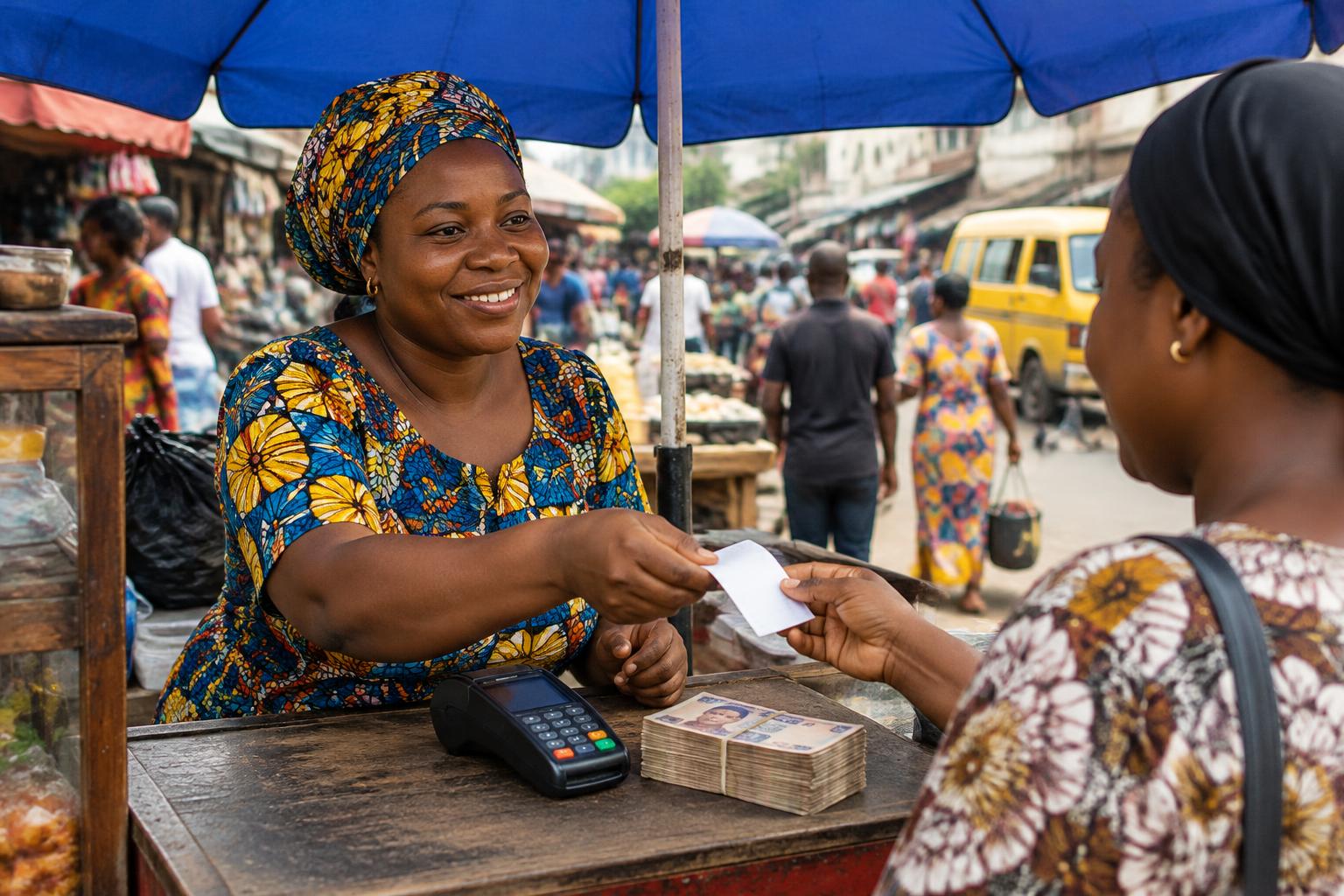

Sending money home: what the diaspora actually pays for
Remittances to Nigeria top $20 billion a year, yet every transfer still carries hidden costs. A clear-eyed look at fees, FX spreads and speed — and how to keep more of your money.


If you live in London, Toronto or Houston and send money to family in Nigeria, you're part of one of the largest financial flows on the continent — over $20 billion a year. And yet the experience still too often involves queues, vague fees, and an exchange rate that looks suspiciously different from the one on Google. This guide breaks down where the money actually goes, and how to keep more of it.
The fee is rarely the real cost
A "£3.99 fee" sounds cheap until you notice the exchange rate is 4% off the mid-market rate. On a £500 transfer, that spread costs you £20 — five times the advertised fee. Providers know that most people compare fees, not rates, and price accordingly.
The only comparison that matters is the naira amount that actually lands. Before you send, check the mid-market rate (Google "GBP to NGN"), then compare what each provider delivers to the recipient's account. The gap between those two numbers is your true cost — everything else is marketing.
Speed is a feature, not a luxury
When money is for school fees due Friday or a hospital bill today, "2–4 business days" isn't a service level — it's a failure. Modern payment rails settle into Nigerian accounts in minutes, around the clock. If your provider can't do that in 2026, the delay isn't technology; it's their treasury earning interest on your money while it sits in transit. Ask why.
Speed also matters for a subtler reason: exchange rates move. A transfer that takes three days exposes your family to three days of rate movement, and in a volatile week that can cost more than the fee. Fast settlement isn't just convenience — it's price certainty.
Send to an account, not a cash pick-up
Cash pick-up made sense a decade ago. Today it costs more, takes longer, and puts your recipient on the road with physical cash — sometimes across town, sometimes after dark. A direct transfer into a Pady account lands instantly, and your mother can spend it, save it, pay bills or split it between goals from the same app. No queue, no bus fare, no risk.
Build a rhythm, not a rescue
The most expensive remittances are the urgent ones — the midnight hospital bill, the exam fees due tomorrow. Urgency removes your ability to compare rates and forces your family to accept whatever channel is open. Families that fare best treat remittances like a utility: a fixed amount on a fixed date, plus a small buffer held in the recipient's account for genuine emergencies.
That buffer changes the psychology on both ends. Senders stop dreading the 11pm "please help" call, because there's a plan. Recipients stop having to ask, which — anyone who has been on either side of that conversation knows — preserves dignity in both directions.
A quick checklist before your next transfer
One: compare the landing amount, not the fee. Two: confirm settlement is instant or same-day. Three: send to an account, not a cash point. Four: set a recurring schedule for predictable support. Five: keep one month's buffer on the receiving side so the next emergency is a withdrawal, not a wire.
The diaspora doesn't send money home out of obligation alone — it's love with a reference number. The least the industry can do is stop taxing it twice.